Understanding Integrated Modular Systems in Water Treatment
Integrated modular systems have emerged as a transformative solution in the field of water treatment, streamlining processes and enhancing efficiency. These systems combine various treatment modules—each designed to fulfill specific functions—into a cohesive unit, offering flexibility and scalability. They address a wide array of challenges, particularly in wastewater management, making them indispensable for industries dealing with complex water issues. When exploring options, Integrated Modular Systems provide comprehensive insights into tailored solutions that can significantly impact operational effectiveness.
Definition and Components of Integrated Modular Systems
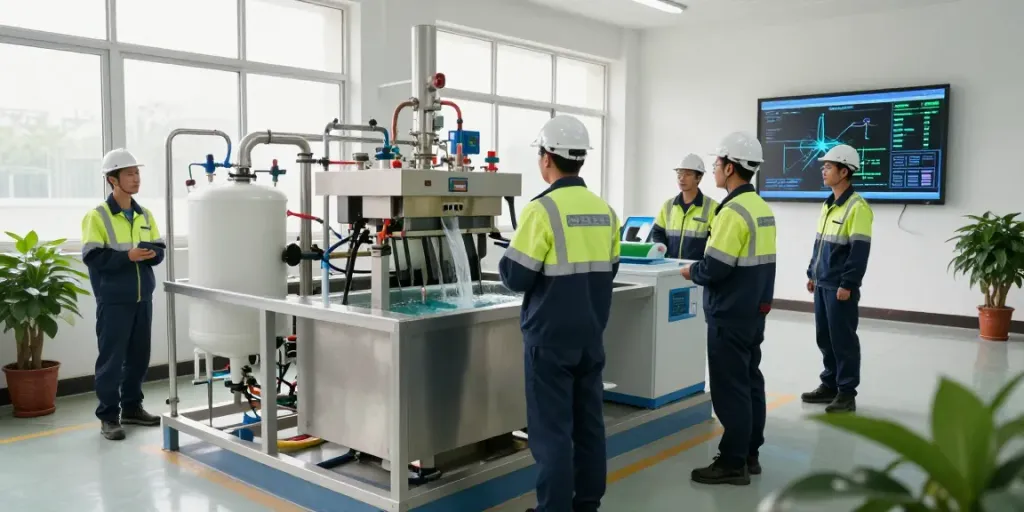
Integrated modular systems are defined by their ability to cohesively merge different functional units that can be independently operated or combined. These components can include physical structures, equipment, and advanced control systems that collectively enhance performance and optimization. In water treatment, common components consist of:
- Membrane filtration units: Essential for removing microscopic contaminants from water.
- Chemical dosing modules: Used to adjust the chemical balance of water, ensuring compliance with treatment standards.
- Monitoring systems: Provide real-time data on water quality, allowing for immediate adjustments and optimizations.
- Sludge dewatering units: Designed to reduce the volume of sludge, making disposal more efficient and cost-effective.
How Integrated Modular Systems Improve Efficiency
The efficiency of integrated modular systems lies in their design. By enabling simultaneous operations across various modules, these systems reduce the overall treatment time and enhance output quality. Key advantages include:
- Reduced footprint: Modular designs often require less physical space, making them suitable for urban settings.
- Scalability: Organizations can easily expand their systems to meet increasing demands without significant overhauls.
- Automation: Many integrated systems are equipped with automated controls, minimizing human error and labor costs while ensuring consistent performance.
Key Trends in Integrated Modular Systems for 2026
As we approach 2026, several trends are shaping the landscape of integrated modular systems:
- Smart technology integration: Enhanced data analytics, AI, and IoT options are being integrated into systems to optimize performance and predictive maintenance.
- Sustainability focus: More systems are designed with eco-friendly materials and processes, reducing environmental impact.
- Regulatory compliance enhancements: Systems are increasingly equipped to meet stringent environmental regulations and quality standards.
Main Benefits of QILEE's Integrated Modular System
QILEE's integrated modular systems offer a range of advantages tailored to meet the specific needs of various industries, particularly in water treatment. These benefits stem from advanced engineering and years of experience, resulting in solutions that cater to both operational and environmental demands.
Cost-Effectiveness and Operational Efficiency
One of the most significant benefits of employing QILEE's integrated modular systems is the cost-effectiveness they provide. By consolidating multiple functions into a single unit, these systems minimize capital expenditure on separate equipment and reduce operational costs associated with maintenance and staffing. Additionally, the efficiency of these systems contributes to reduced energy consumption, further lowering operational costs over time.
Enhanced Performance in Diverse Applications
QILEE's offerings adapt seamlessly to a variety of wastewater treatment scenarios. For instance, the integrated membrane water treatment system excels in applications requiring stringent removal of contaminants, while the DAF (Dissolved Air Flotation) integrated treatment system is tailored for wastewater streams with specific floc properties. This versatility allows industries to meet regulatory requirements and maintain high-quality water standards.
Reliability and Maintenance Considerations
Reliability is a cornerstone of QILEE's integrated modular systems. Each component is rigorously tested to ensure performance consistency, even under demanding conditions. Moreover, the modular design simplifies maintenance, enabling quick replacements or repairs without significant downtime. Regular maintenance schedules and monitoring systems enhance equipment longevity, ensuring continued reliable operation.
Core Offerings of Integrated Modular Systems
Overview of QILEE’s Product Range
QILEE specializes in a comprehensive array of integrated modular water treatment solutions, which include:
- Integrated Membrane Water Treatment System: Efficiently removes contaminants through advanced membrane technology.
- Chemical Treatment System: Tailored for precise chemical dosing and pH adjustments.
- DAF Integrated Treatment System: Combines flotation and chemical treatment to address complex wastewater challenges.
- Sludge Dewatering Modular System: Streamlines the sludge management process with high-performance dewatering capabilities.
Innovative Technologies in Water Treatment
QILEE incorporates cutting-edge technologies within its integrated systems. For instance, the integration of automated sensors and control systems allows for real-time monitoring and adjustments, boosting efficiency and reducing waste. These innovations not only enhance performance but also contribute to overall operator safety and compliance with environmental regulations.
Comparing Integrated Membrane and Chemical Treatment Systems
Integrated membrane systems and chemical treatment systems serve different functions within the water treatment process. Membrane systems are predominantly used for physical separation of contaminants, making them ideal for fine filtration. In contrast, chemical treatment systems leverage specific chemical reactions to neutralize contaminants, which can be particularly effective for pollutants that do not settle easily. Understanding the unique strengths of each system is crucial for selecting the right solution for specific water treatment challenges.
Applications of Integrated Modular Systems
Case Studies of Successful Implementations
Real-world applications highlight the effectiveness of integrated modular systems in various industries:
- Industrial Wastewater Treatment: A large manufacturing facility adopted QILEE’s DAF integrated treatment system, significantly reducing its suspended solids levels and improving overall discharge quality.
- Municipal Wastewater Management: A city implemented integrated membrane systems, effectively addressing increased wastewater flow while maintaining compliance with environmental standards.
Industry-Specific Use Cases and Benefits
Industries such as food and beverage, pharmaceuticals, and construction often face unique water treatment challenges. QILEE’s integrated modular systems provide customized solutions that address these challenges effectively. For example, food processing plants benefit from robust chemical treatment systems that manage organic waste, while pharmaceutical manufacturers rely on membrane systems for sterile water production.
Future Applications and Market Potential
The future applications of integrated modular systems are promising, with expanding needs across sectors due to growing environmental regulations and water scarcity issues. As industries seek innovative ways to enhance water treatment and recycling, the demand for modular systems is expected to increase. Emerging technologies such as desalination and water reuse will further drive market growth, presenting new opportunities for integrated solutions.
Challenges and Best Practices for Implementing Integrated Modular Systems
Common Obstacles in Adoption and Integration
While the benefits are substantial, adopting integrated modular systems can present challenges. Common obstacles include initial capital costs, resistance to change from traditional systems, and the need for specialized training for staff. Addressing these challenges requires thorough planning and stakeholder engagement to ensure smooth implementation.
Best Practices for Effective Implementation
To maximize the benefits of integrated modular systems, organizations should consider adopting best practices such as:
- Conducting comprehensive training: Ensuring that staff are well-versed in operating and maintaining new systems is crucial for success.
- Engaging in pilot testing: Implementing systems on a smaller scale initially can help identify potential issues and refine processes before full-scale adoption.
- Utilizing data analytics: Leveraging monitoring data can provide insights into system performance and guide operational decisions.
Measuring Success and Performance Metrics
Measuring the success of integrated modular systems is essential to ensure that performance objectives are met. Key performance metrics to monitor include:
- Operational Efficiency: Assessing throughput, downtime, and energy consumption.
- Water Quality: Regularly testing effluent quality to ensure compliance with standards.
- Cost Savings: Evaluating operational and maintenance costs post-implementation.
What are the main advantages of integrated modular systems?
The main advantages include flexibility, cost-effectiveness, enhanced performance, and simplified maintenance, making them ideal for modern water treatment solutions.
How do integrated modular systems differ from traditional systems?
Integrated modular systems provide a cohesive solution that combines multiple treatment functions, whereas traditional systems often operate separately, requiring more space and coordination.
What is the cost range for implementing integrated modular systems?
The costs can vary widely based on system complexity and capacity, but organizations should consider both initial investment and long-term operational savings when evaluating total cost.
What industries benefit most from integrated modular systems?
Industries such as manufacturing, food processing, pharmaceuticals, and municipal water treatment see significant benefits from integrated modular systems due to their flexibility and efficiency in handling diverse wastewater challenges.
How can performance be measured in integrated modular systems?
Performance can be measured using established metrics, including water quality results, operational efficiency, system uptime, and total cost of ownership calculations, ensuring that systems are delivering the intended results.